





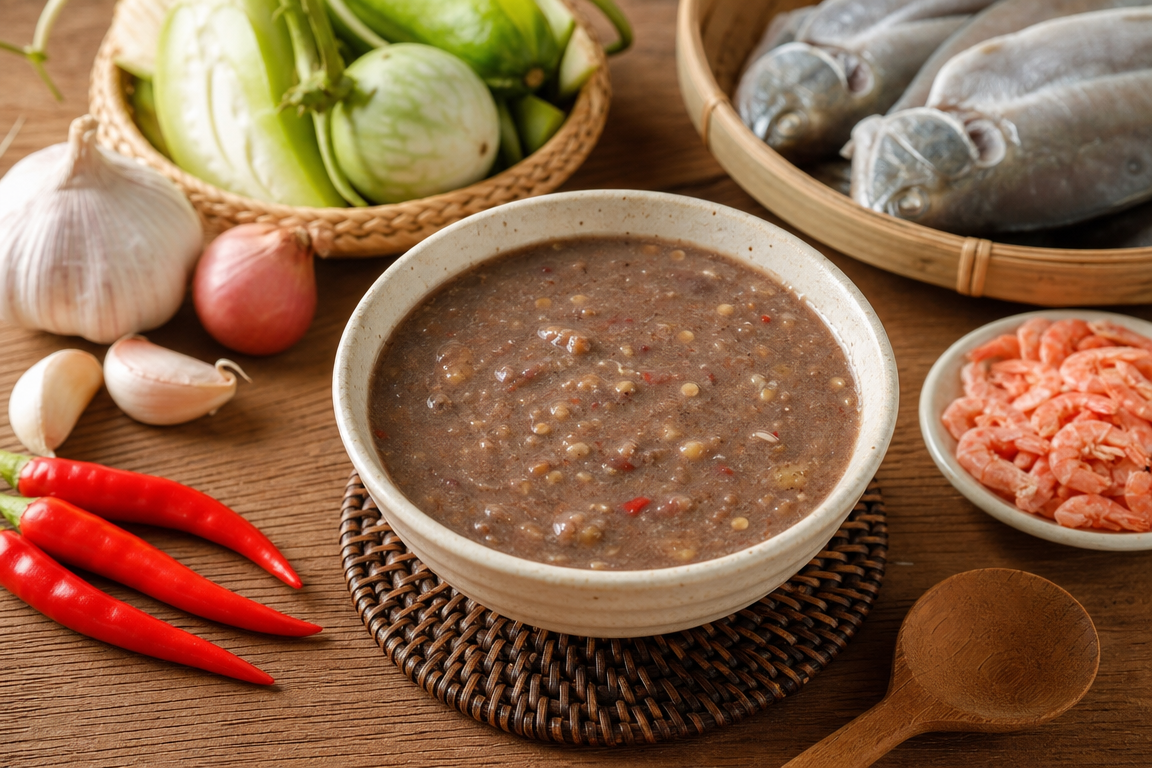
Mắm nêm is a fermented Vietnamese sauce associated with Central Vietnamese cooking. As a condiment, it deserves a different approach from a sauce you pour generously over a finished dish: start with a small amount, taste it, and decide whether to serve it directly or turn it into a more balanced dipping sauce.
The most useful way to approach mắm nêm is to separate the product itself from the sauce you prepare with it. Ingredients, concentration, and serving directions can vary between products, so the label matters more than a fixed rule about how every bottle should taste or be used.
What Is Mắm Nêm?
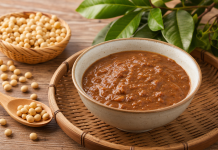
Mắm nêm belongs to the Vietnamese sauces and condiments category. Its fermented character is central to its identity, but the name alone is not enough to establish a particular product’s full ingredient list, consistency, or preparation requirements.
Before using a packaged version, check whether it is ready to serve or requires further preparation. Also look for added seasoning: a product that already includes sweet or spicy ingredients may need less adjustment than a more concentrated base.
Mắm nêm versus nước mắm
Mắm nêm and nước mắm are different names, not alternate spellings of the same condiment. Do not assume a recipe calling for one will work identically with the other. When shopping, look for the complete Vietnamese name rather than relying only on a broad English description such as “Vietnamese sauce.”
Likewise, a prepared dipping sauce made with mắm nêm is not necessarily equivalent to the product straight from its container. Added water, acidity, sweetness, or aromatics can change how it behaves alongside food.
Flavor and Characteristics
Fermentation is the defining characteristic to keep in mind. Rather than expecting every product to have an identical flavor, assess its aroma, saltiness, intensity, and texture before adding other ingredients. Follow any preparation directions before tasting.
A small tasting portion is especially useful when the sauce is unfamiliar. Try it with a bite of the food it will accompany, not just on its own. A condiment that seems forceful by itself may work better against plain noodles or an unseasoned ingredient; a heavily seasoned dish may need much less.
- If it tastes too concentrated: dilute a separate portion with a little water.
- If it needs brightness: add a small amount of lime juice.
- If the balance feels too sharp: try a little sugar, then taste again.
- If you want heat: add chopped chile gradually rather than assuming heat is required.
These are practical seasoning options, not a fixed formula or a claim about a single traditional preparation.
Ways to Use Mắm Nêm in Vietnamese-Style Meals
For a first use, serving a prepared portion on the side offers the most control. The following are serving suggestions rather than a list of documented regional dishes.
As a dipping sauce
Pair a small bowl with fresh rolls, vegetables, or simply cooked protein. Begin with lightly seasoned food so the condiment does not have to compete with another strong sauce. Dip one bite first and adjust the serving portion if needed.
With noodles or rice
Spoon a little prepared sauce over a small portion of plain noodles or rice before seasoning the whole bowl. This makes it easier to judge both concentration and quantity. Keep additional sauce separate so each serving can be adjusted individually.
Alongside a mixed platter
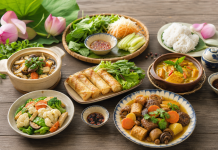
A platter of vegetables, herbs, and cooked ingredients allows the same sauce to be tasted with several different bites. Keep it in its own bowl rather than pouring it over everything, particularly when diners have different preferences or dietary restrictions.
A Small-Batch Dipping Sauce to Try
This is a proposed starting recipe, not a historically established or personally tested formula. Use it only with mắm nêm that is ready to eat or has been prepared according to its label.
- 1 teaspoon mắm nêm
- 1 teaspoon water, plus more as needed
- 1/2 teaspoon lime juice
- 1/4 teaspoon sugar, optional
- A small amount of finely chopped garlic or chile, optional
- Stir the mắm nêm and water together in a small bowl.
- Add the lime juice and, if using, the sugar. Stir until the sugar dissolves.
- Taste with the food you plan to serve. Add more water if the mixture is too concentrated.
- Add garlic or chile only if desired, then taste again before increasing the batch.
If the original product is already seasoned, begin without the optional ingredients. It is easier to add seasoning than to correct an overly sweet or spicy mixture.
Storage and Handling
Follow the package instructions for unopened storage, refrigeration after opening, and use-by guidance. Fermentation does not mean a product can be stored indefinitely or that every version has the same requirements.
Use a clean utensil to remove sauce, close the container promptly, and avoid returning used dipping sauce to it. Once you add water, fresh juice, garlic, or other ingredients, do not assume the mixture has the same storage life as the original product. Make a small quantity for the meal and refrigerate any portion being kept promptly; a reliable storage duration cannot be assigned without knowing the product and preparation.
Substitutes
No substitute should be expected to reproduce mắm nêm exactly. If you need a different condiment, choose according to its role in the meal. A nước mắm-based dipping sauce may be an alternative when a savory dip is wanted, but it should be treated as a different sauce rather than a one-for-one replacement.
For a plant-based option, a soy-sauce-based dip can provide seasoning, though its flavor will differ. Check every label for dietary suitability and allergens; neither a Vietnamese name nor an English category description establishes what a product contains.
Frequently Asked Questions
Can mắm nêm be served straight from the container?
Check the label first. If it is ready to serve, taste a small portion before deciding whether to dilute or season it.
Does it need lime, sugar, garlic, or chile?
Not necessarily. Those are optional adjustments in the proposed recipe above, not requirements for every product or meal.
Can another sauce replace it in equal amounts?
Not reliably. Start with less of the substitute, taste with the food, and adjust. Changing the condiment also changes the dish’s flavor.