


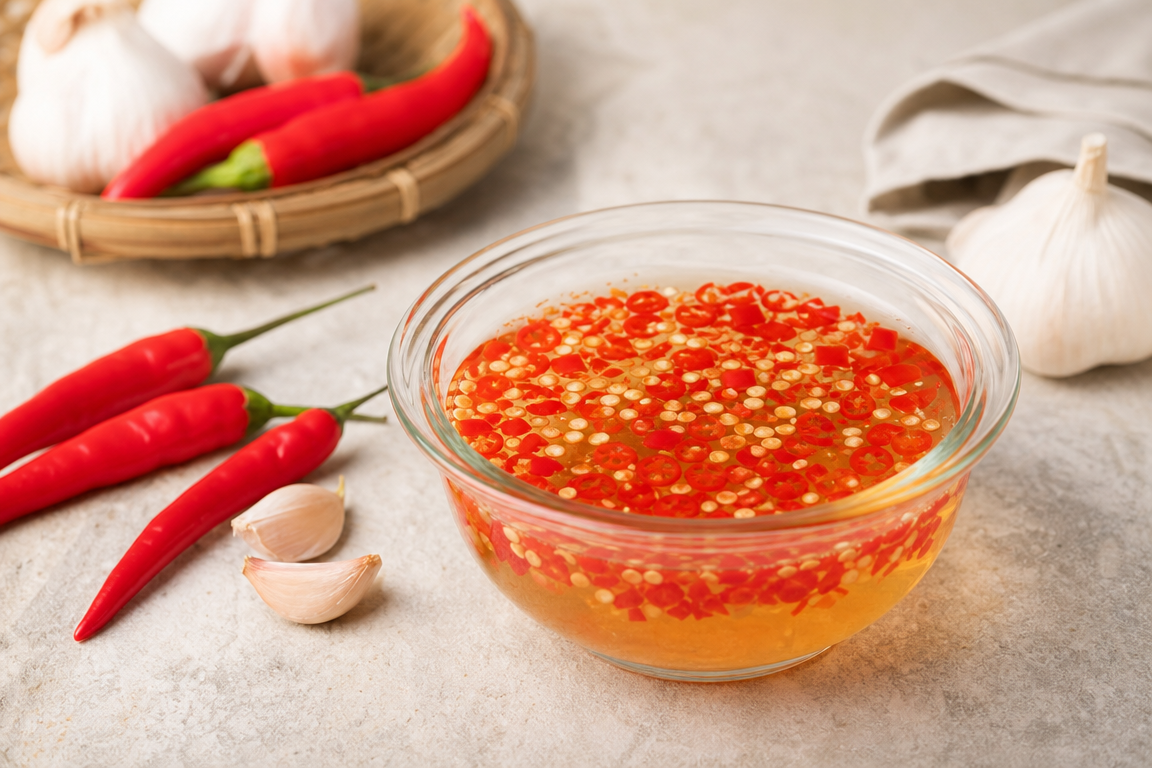
Chili vinegar pairs vinegar’s sharp acidity with the heat of chili peppers. Known here by the Vietnamese name giấm ớt, it belongs to the sauces and condiments category: something to add in small amounts when a dish needs a brighter, hotter edge.
The appeal is its directness. Vinegar supplies the sourness, while the chilies contribute heat and pepper flavor. For Vietnamese cooking, it is useful to think of chili vinegar as an adjustable finishing ingredient rather than a complete seasoning sauce. It can bring acidity and heat, but it does not necessarily provide the saltiness, sweetness, or savory depth a dish may also need.
What Is Chili Vinegar?
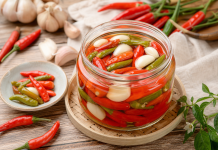
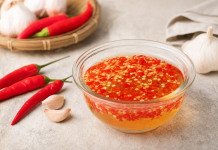
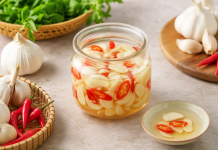
At its simplest, chili vinegar is vinegar combined with chilies. The peppers may remain visible as slices or pieces, allowing you to spoon out mostly liquid or include some chili with it. A blended preparation produces a different texture, so this article focuses on a pourable vinegar with sliced chilies.
The name does not establish one fixed formula. The type of vinegar, choice of chili, and balance of ingredients can change the result considerably. The preparation below is a proposed home-kitchen version, not a claim about a standard or historically authentic Vietnamese recipe.
Flavor and characteristics
Expect a thin, acidic condiment rather than a thick sauce. The vinegar should taste distinctly sour, with chili heat that varies according to the peppers and how much you use. A mild pepper gives a gentler result; a hotter one can make even a small spoonful assertive.
Vinegar choice matters, too. Plain rice vinegar can provide a softer-tasting starting point, while distilled white vinegar generally gives a sharper impression. Seasoned rice vinegar contains additional seasoning, so it is not a neutral replacement: taste before adding any sugar or salt.
Ways to Use It in Vietnamese Cooking
Chili vinegar is best approached as a way to adjust a dish, not as something every Vietnamese dish requires. Add a little, taste, and decide whether more acidity or heat actually improves the balance.
With noodle soups
For a noodle soup that tastes rich or needs a sour accent, try a few drops in an individual spoonful of broth first. This lets you judge the effect without changing the whole bowl. If the combination works, stir a small amount into your serving.
Alongside noodles, rice, and savory dishes
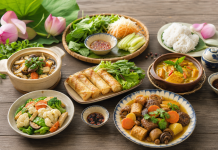
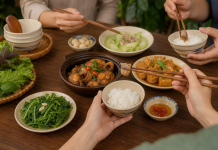
A little chili vinegar can provide contrast to fried, grilled, or otherwise rich foods. Spoon it alongside the food or add it sparingly to a noodle or rice dish. Keeping it separate gives each diner control over both sourness and heat.
As part of a dipping sauce
You can use chili vinegar as the acidic, spicy component of a proposed dipping sauce. If combining it with fish sauce, water, or sugar, adjust each ingredient separately. Chili vinegar alone should not be expected to replace a fully balanced dipping sauce.
A Simple Proposed Chili Vinegar Recipe
This small-batch preparation keeps the ingredients minimal so the vinegar and chili remain the main flavors. Adjust the pepper quantity to your tolerance rather than treating the suggested amount as a fixed standard.
Ingredients
- 1/2 cup plain rice vinegar or food-grade distilled white vinegar
- 1–2 fresh chilies, thinly sliced
- A small pinch of sugar, optional
- A small pinch of salt, optional
Method
- Wash your hands and clean the preparation surface, knife, and a small food-safe container with a lid.
- Rinse the chilies, dry them, and remove the stems. Slice carefully, avoiding contact with your eyes. Gloves can help prevent chili irritation on your hands.
- Place the chilies in the container and pour in the vinegar.
- If desired, stir in a small pinch of sugar or salt. These are flavor adjustments, not preservation instructions.
- Cover and refrigerate. Taste with a clean spoon before serving, adding more plain vinegar if the flavor is too intense.
Storage and handling
Keep this proposed fresh-chili mixture refrigerated in a covered container. Use a clean utensil each time, and make only a small amount that you expect to use promptly. It is not a tested canning recipe and should not be treated as shelf-stable.
No fixed storage life is provided here because the vinegar’s acidity, ingredient proportions, and handling conditions can vary. Discard the mixture if you notice mold, unexpected bubbling, or an unusual odor; the absence of those signs does not establish safety. Use food-grade vinegar, never cleaning vinegar.
Substitutes and Similar Condiments
- Plain vinegar plus fresh chili: Add them separately to a serving when you want similar sourness and heat without preparing a jar.
- Lime juice plus chili: This can supply acidity and heat, but its citrus flavor is different. Treat it as an alternative seasoning, not an identical substitute.
- Vinegar-based hot sauce: This may work in small amounts, though added salt, sugar, garlic, and thickeners can change the dish.
- Chili oil: This is not a direct substitute. It adds oil and heat rather than vinegar’s acidity.
Likewise, “chili sauce” is a broader name that may describe a thick, sweet, salty, or blended product. Check the ingredients rather than assuming it means chili vinegar.
Frequently Asked Questions
Is giấm ớt the same as pickled chilies?
The preparations can overlap when chilies sit in vinegar. The practical distinction is emphasis: chili vinegar highlights the seasoned liquid, while pickled chilies highlights the pepper pieces. The name alone does not specify the exact recipe.
Does chili vinegar need sugar?
No. Sugar is optional in the proposed recipe. A small amount can soften the impression of sharp acidity, but it also changes the flavor balance.
Can I use it while cooking?
Yes, as a proposed seasoning choice. Add a small amount and taste. Adding it near the end or at the table makes it easier to control the final sourness and heat.
What if it tastes too strong?
Use less in the dish. More plain vinegar can reduce the concentration of chili heat in the jar, but it will not remove the vinegar’s sourness.