









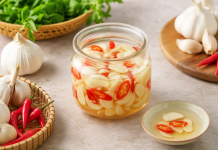

Tương hột is a Vietnamese fermented soybean condiment. It belongs in the sauces and condiments category, but it is worth thinking of it as an ingredient as well as something to serve alongside a meal. Its soybean character can contribute both flavor and texture to a sauce.
The most useful approach is to taste the particular product you have before cooking with it. Saltiness, sweetness, consistency, and the size of the bean pieces can affect how much to use and whether a dish needs any additional seasoning.
What Is Tương Hột?
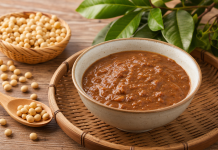
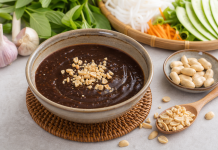
Tương hột is a fermented bean sauce made with soybeans. Rather than assuming it behaves like a smooth, pourable sauce, check its texture: the bean component is important when deciding whether to leave it intact, mash it, or blend it into another preparation.
For an English-language description, fermented soybean condiment is more helpful than simply “bean sauce.” The broader term can refer to products with different beans, seasonings, and textures, so it is not a reliable guide to substitution on its own.
Similar Names Do Not Mean Identical Products
Do not treat every condiment with tương in its name as interchangeable. Tương ớt refers to chili sauce, while tương đen is commonly used for a dark, hoisin-style sauce. Chao is fermented tofu, not the same ingredient as fermented soybean sauce.
When shopping, look for the full name tương hột and read the ingredient list. An English label such as “bean sauce” is too broad to establish that a product is the one a recipe intends.
Flavor and Texture: What to Check
The central flavor to look for is savory fermented soybean character. Beyond that, let the product guide you rather than expecting every jar to taste alike. Check for salt, sugar, and other seasonings on the label, then taste a small amount before adding it to a larger dish.
- Saltiness: Assess this before adding salt, soy sauce, or another salty condiment.
- Sweetness: Taste before adding sugar, especially when making a dipping sauce.
- Consistency: Decide whether the sauce needs thinning or whether its existing liquid is sufficient.
- Bean texture: Leave pieces intact for contrast, or mash them for more even distribution.
A small amount can be adjusted more easily than an over-seasoned pan. Add it gradually, particularly when the other ingredients already contain salt.
Using Tương Hột in Vietnamese Cooking
In a Vietnamese cooking context, tương hột can serve as the soybean seasoning in a sauce or accompaniment. The following are practical preparation suggestions, not claims that every Vietnamese household uses the same combinations or methods.
Build a Dipping Sauce
Use a little tương hột as the base, then adjust the consistency with water. Mash the beans if you want a more cohesive sauce. A small amount of lime juice can provide acidity, while fresh chili can add heat. Taste before adding sweetness or another salty ingredient.
Keep the sauce slightly thicker if it needs to cling to food, or loosen it if you want a lighter accompaniment. Make these changes gradually so the soybean flavor does not disappear beneath the additions.
Add It to a Cooked Sauce
For a vegetable or tofu dish, first loosen a small spoonful with water, then stir it into the cooking liquid. This makes it easier to distribute than adding a dense spoonful directly to a relatively dry pan. Taste the finished sauce before making further seasoning adjustments.
If the sauce will simmer and reduce, hold back some seasoning until the end. As water evaporates, the remaining sauce becomes more concentrated.
A Simple Proposed Sauce
This is a flexible starting formula, not a historically authentic or personally tested recipe. The amount of water and any optional additions should depend on your particular tương hột.
- 2 tablespoons tương hột
- 1 tablespoon water, plus more as needed
- 1 teaspoon lime juice, optional
- A small pinch of sugar, optional
- Finely chopped fresh chili, optional
- Put the tương hột in a small bowl and mash some or all of the beans with a fork.
- Stir in the water until the mixture reaches the consistency you want.
- Taste, then add lime juice, sugar, or chili in small amounts if desired.
- Adjust with a little more water if the sauce is too concentrated.
This approach keeps the condiment recognizable while allowing for differences between products.
Substitutes and Their Limits
There is no automatic one-for-one substitute that preserves every aspect of tương hột. Choose according to the role it plays in the dish.
- Miso: A possible substitute when a mashed fermented soybean seasoning is useful. Its flavor and consistency differ, so begin with less and adjust.
- Soy sauce: An option when the main need is liquid seasoning. It will not replace the bean texture and may require changes to the dish’s liquid balance.
- Another fermented soybean paste: Potentially useful, but check for chili, added seasonings, and differences in saltiness before using it.
A sweet or spicy bean sauce should not be treated as a neutral replacement simply because its English name sounds similar.
Storage and Handling
Follow the container’s storage instructions, including any direction to refrigerate after opening. Fermentation alone is not a reason to assume that an opened condiment can remain at room temperature indefinitely.
Use a clean spoon, close the container promptly, and avoid returning sauce from a serving bowl to the original jar. Do not assign a universal shelf life: packaging and product instructions matter. Discard a product with visible mold or damaged packaging; smell alone cannot establish that food is safe.
Frequently Asked Questions
Do I need to mash the beans?
No. Leave them intact when you want texture, or mash them when you want the seasoning spread more evenly through a sauce.
Is tương hột the same as soy sauce?
No. Both involve soybeans, but liquid soy sauce does not provide the bean texture that can be part of tương hột.
Can I assume it is vegetarian or gluten-free?
No. Check the complete ingredient list and any relevant allergen labeling. The condiment’s name alone does not establish those dietary details.