
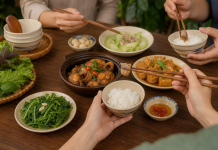
A useful way to plan Vietnamese Mid-Autumn Festival foods is to think in small portions: something sweet to share, fruit for contrast, and a simple drink alongside. A carefully chosen plate can be more inviting than a crowded table, especially when guests want to taste several things without committing to a large serving.
This guide to Ẩm thực Tết Trung Thu Việt Nam offers a suggested food spread, practical serving advice, and an optional homemade sweet. It is a menu-planning guide, not a definitive list of traditional foods or a claim that every Vietnamese household celebrates with the same dishes.
Build a Small, Balanced Festival Spread
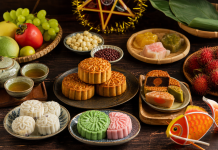
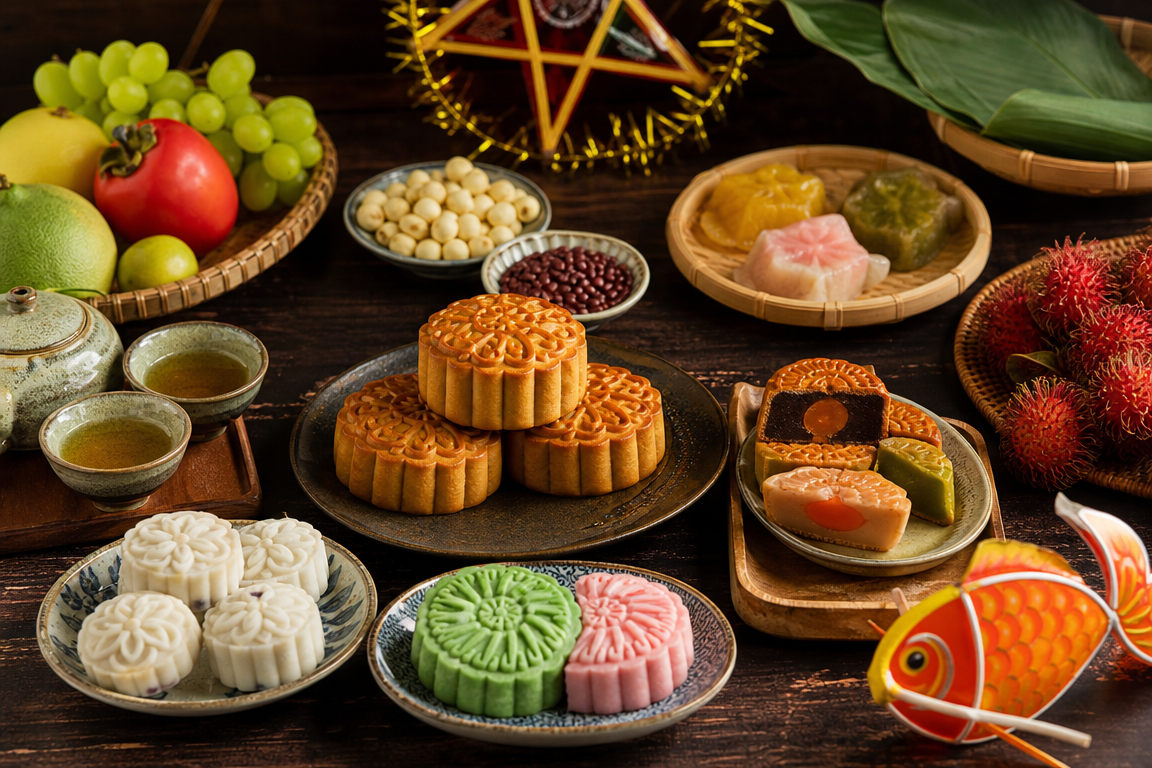
For a manageable starting point, consider mooncakes as the centerpiece, fresh fruit as a separate course or accompaniment, and unsweetened tea or water to drink. These are serving suggestions rather than a prescribed festival menu. Adjust the selection to the people at the table, the ingredients available, and any dietary requirements.
Give each part of the spread a clear purpose. Let the main sweet provide the strongest flavor, choose fruit that offers a different texture, and keep drinks simple enough that guests can return to them between bites.
- Main sweet: Choose one or two mooncakes rather than buying a large assortment without a tasting plan.
- Fresh element: Offer a modest plate of washed, ready-to-eat fruit.
- Optional homemade addition: Prepare a small sweet with a clearly different texture.
- Drink: Serve unsweetened tea, water, or another beverage suited to your guests.
If you also plan to serve dinner, keep the dessert spread smaller. There is no need to add several more dishes simply to make the table look abundant.
Choosing Mooncakes for a Shared Plate
Choose by the filling, not just the appearance
When selecting mooncakes for this suggested spread, start with the package description or the seller’s ingredient information. Look for a filling that sounds appealing to the people who will eat it, rather than choosing solely by the box or surface design.
For a two-item tasting, choose contrasting descriptions. If one sounds smooth and gently flavored, look for another described as more textured or more assertive. This gives guests something to compare without requiring a large purchase.
Do not assume that similarly named products have identical ingredients. Check each item separately, especially when someone needs to avoid a particular food.
Make portions easy to share
Cut a larger mooncake into small wedges shortly before serving, following any handling instructions on its packaging. Use a clean knife and a stable cutting board. If the filling sticks to the blade, wipe the knife between cuts rather than pressing harder and crushing the next piece.
Keep different varieties slightly separated on the plate. Leave their packaging nearby or make a simple written note so guests can identify what they are tasting. For people with serious allergies, separation on a serving plate is not a substitute for checking ingredients and preventing cross-contact.
Keep tasting notes simple
A shared tasting does not need a formal scorecard. A few everyday questions can help people describe what they enjoy:
- Is the texture smooth, crumbly, chewy, or layered?
- Does the sweetness feel gentle or pronounced?
- Which flavor remains after the bite?
- Would a smaller piece be more enjoyable?
These observations describe the food in front of you. They should not be treated as a test of authenticity or as a ranking of Vietnamese regional styles.
Add Fruit Without Overcomplicating the Table
Choose fruit according to availability, ripeness, and ease of serving. For this proposed menu, pomelo segments, orange wedges, or sliced pear are possible options. None is required, and this selection is not intended to establish a traditional festival fruit list.
Prepare only what you expect to serve. Remove tough peel, obvious seeds, and any inedible parts as appropriate. Keep juicy fruit on its own plate so it does not soak into pastries or homemade sweets.
Two fruit choices are usually enough for a small suggested spread. You might pair a firm, crisp option with a softer or juicier one. The aim is contrast, not a display that requires extensive carving or elaborate decoration.
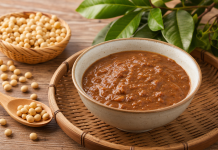
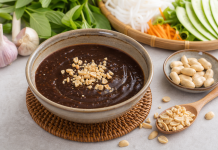
An Optional Homemade Sweet: Mung Bean and Coconut Bites
The following is a proposed home recipe, not a historically authentic festival formula or a substitute for a specific Vietnamese cake. It offers a small, portionable sweet for a table where you want an additional homemade element. The finished quantity and texture will depend on how much moisture remains in the cooked beans.
Suggested ingredients
- 150 grams dried split, hulled mung beans
- Water for rinsing and cooking, as directed on the bean package
- 40 grams sugar, with more added only if desired
- 30 grams unsweetened finely shredded coconut
- 1 tablespoon neutral cooking oil
- A small pinch of salt
Proposed method
- Rinse the mung beans and cook them according to the package directions until completely tender. Drain any excess water.
- Mash the warm beans thoroughly. For a smoother mixture, press them through a sieve or use a food processor.
- Transfer the mash to a saucepan. Add the sugar, coconut, oil, and salt.
- Stir over low heat until the mixture becomes thick enough to gather together. If it is loose, continue stirring gently; if it becomes too dry to combine, add water a teaspoon at a time.
- Let the mixture cool until comfortable to handle. Taste a small amount and adjust the sweetness if needed.
- Shape into small balls or press into a shallow container and cut into squares once chilled. Keep refrigerated until serving.
Do not force a soft mixture into neat shapes while it is still warm. Serve it in small dishes instead if necessary. A spoonable version is preferable to adding large amounts of dry ingredients just to make it hold a shape.
Serving Order, Drinks, and Leftovers
Set out a small amount of each food first and replenish as needed. This keeps the plate manageable and lets you leave the remaining food covered or stored according to its instructions.
Offer water throughout the meal. If serving tea, prepare it according to the tea’s directions and let guests decide whether they want it with the sweets or afterward. A strongly flavored drink may make it harder to compare delicate flavors, so a simpler beverage is a useful starting point.
Keep packaging until the food is finished: ingredient lists, storage directions, and date information may still be needed. Follow the product’s instructions after opening. Refrigerate the proposed mung bean bites promptly and avoid leaving perishable foods out for an extended period.
Frequently Asked Questions
How many foods should be on the table?
For a simple suggested menu, start with one or two mooncake varieties, one or two fruits, and a drink. Add a homemade sweet only if it contributes something different. Scale portions to the group rather than treating this as a required number of dishes.
Does every food need to be homemade?
No. A practical approach is to buy the main sweet and prepare only the fruit, or make one small addition at home. Clear ingredient information and sensible portions matter more than making every component yourself.
How can the spread suit different dietary needs?
Ask guests about their requirements before choosing food, then check the actual ingredients of each product. Do not infer that a sweet is vegetarian, vegan, or free of an allergen from its name or appearance. Use separate utensils when needed, and recognize that a shared preparation space may not be suitable for someone with a serious allergy.
Is this a definitive traditional festival menu?
No. It is a suggested way to organize a food-focused gathering around the topic of Vietnamese Mid-Autumn Festival foods. It does not assign a single menu to all Vietnamese families or make claims about regional customs. The practical goal is a clear, enjoyable spread with identifiable ingredients and portions that are easy to share.