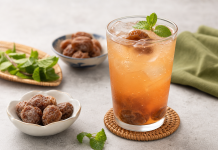

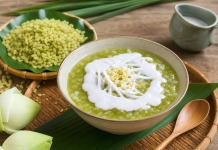
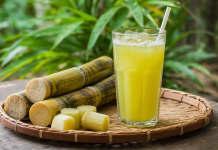


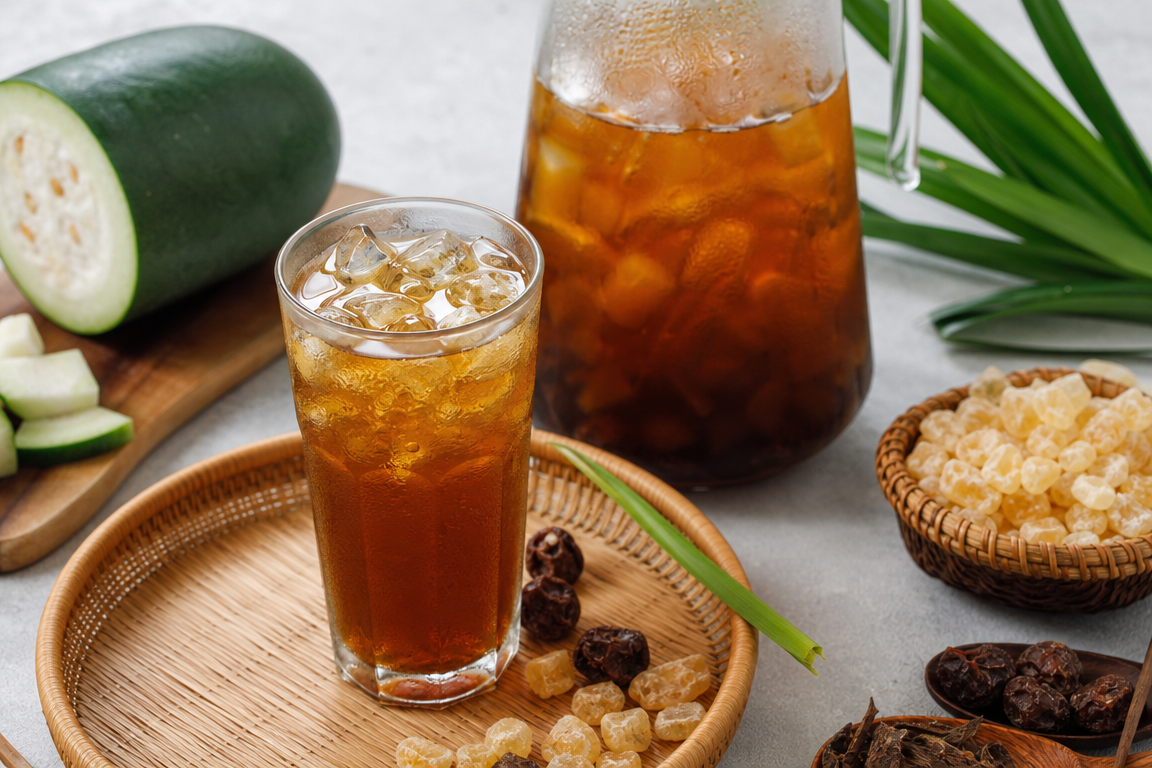
Vietnamese winter melon tea, or trà bí đao, is a drink to make when you want something gently sweet and easy to serve chilled. This proposed home recipe uses winter melon, water, and rock sugar, keeping the ingredient list short and the method straightforward. No tea leaves are included in this version.
The method is simple: simmer the prepared melon, strain the liquid, and sweeten it before cooling. Winter melon has a mild flavor, so the finished drink is deliberately subtle rather than strongly fruity. Start with the suggested amount of sugar, then adjust a small serving before changing the sweetness of the whole batch.
Recipe Overview
- Yield: About 6 servings
- Preparation time: 15 minutes
- Cooking time: 50 minutes, including bringing the water to a boil
- Additional time: Cooling and chilling, depending on your serving preference
- Method: Simmer, strain, and sweeten
The quantities below are a practical starting formula, not a claim of a historically authentic recipe. The finished volume will vary with the width of your pot, the strength of the simmer, and how much liquid remains in the strained melon.
Ingredients
- 800 g winter melon flesh: Weigh after peeling and removing the seeds and soft, spongy center; cut into roughly 1-inch pieces.
- 2 liters water: For simmering the melon.
- 100 g rock sugar: Break large pieces into smaller chunks so they dissolve more easily.
- Ice: Optional, for serving.
Buy enough winter melon to allow for trimming; 800 g refers to the usable flesh, not the weight of the whole piece. If rock sugar is unavailable, use 100 g granulated sugar as a starting substitute. Measure sugar by weight rather than assuming that equal volumes of different sugar shapes will be equivalent.
How to Make Winter Melon Tea
- Prepare the melon, about 15 minutes. Rinse the outside before cutting. Set the melon securely on a cutting board, cut it into manageable sections, and remove the firm outer rind. Scoop out the seeds and soft center. Weigh 800 g of flesh and cut it into roughly 1-inch pieces.
- Bring to a boil, about 10 minutes. Put the melon and 2 liters of water in a large pot. Bring to a boil over medium-high heat. Use a pot with enough headroom to prevent splashing, and adjust the heat as needed.
- Simmer gently for 35 minutes. Reduce the heat until the liquid maintains a gentle simmer. Partially cover the pot and cook until the melon is soft. Avoid a vigorous boil, which can reduce the liquid too quickly. The melon should yield easily when pressed with a spoon.
- Strain the liquid. Set a fine-mesh strainer over a large heatproof bowl or another pot. Carefully pour the mixture through it, working in batches if necessary. Let the melon drain, then press it lightly with the back of a spoon. Avoid forcing the pulp through if you prefer a clearer drink.
- Sweeten over low heat, about 5 minutes. Return the strained liquid to the pot and add the rock sugar. Warm over low heat, stirring until dissolved. Carefully cool a spoonful before tasting. If you want more sweetness, dissolve a little additional sugar while the liquid is still warm.
- Cool and serve. Remove from the heat. For faster cooling, divide the drink among smaller heatproof containers or place the pot in an ice-water bath. Refrigerate promptly once it has cooled enough for your containers and refrigerator. Serve chilled, with ice if desired.
Tips for a Balanced Batch
Keep the simmer gentle
A hard boil is unnecessary for this recipe. It can evaporate water rapidly and leave you with a smaller, sweeter batch. If the liquid reduces more than expected, add a little drinking water after straining, then taste again before adjusting the sugar.
Taste at the temperature you plan to serve
Warm and chilled drinks can taste different. Before adding extra sugar to the entire batch, cool a small sample in a cup set over ice. This gives you a more useful impression of how the finished tea will taste cold.
Choose clarity or a little more body
Gentle draining produces a lighter-looking drink. Pressing the cooked melon more firmly may add fine particles and cloudiness. Either approach works for this proposed recipe; use the straining method that matches your preferred texture.
Serving Suggestions
Serve the tea cold in small glasses, either without ice or over a modest amount of ice. If it is already lightly sweetened, too much melting ice can make the flavor faint. Chilling the drink thoroughly first helps limit that dilution.
You can also serve a portion warm after the sugar has dissolved. For a shared meal, keep the main batch refrigerated and pour individual servings rather than leaving the entire container at room temperature.
Optional Variations
- Less sweet: Begin with 60–80 g rock sugar instead of 100 g. Add more only after tasting a cooled sample.
- Ginger accent: Add 3 thin slices of fresh ginger with the melon at the start of cooking. Strain them out with the solids. This is an optional flavor variation, not a required ingredient.
- Citrus finish: Stir 1 teaspoon of lemon juice into an individual chilled glass. Taste before adding more, since acidity changes the drink’s balance noticeably.
Storage
Transfer the cooled tea to clean, covered containers and refrigerate within 2 hours of cooking. Use within 3 days as a cautious home-storage guideline. Keep ice separate until serving, and stir the tea if any fine melon particles settle at the bottom.
Frequently Asked Questions
Does this recipe contain tea leaves?
No. This version gets its flavor from simmered winter melon and contains no black, green, or other tea leaves. The ingredient list is intentionally limited to melon, water, sugar, and optional serving ice.
Can I use granulated sugar instead of rock sugar?
Yes. Start with the same weight: 100 g granulated sugar. It will generally dissolve more quickly than large pieces of rock sugar. Taste a cooled sample before adding more.
Should I leave the peel and seeds in?
For this recipe, remove the rind, seeds, and soft center. The stated melon weight is for the trimmed flesh, so leaving those parts in would change the ingredient proportions.
Why does my winter melon tea taste weak?
The drink is meant to be mild, but excess water or melting ice can dilute it further. First taste it chilled without ice. For a future batch, use slightly less water while keeping the melon quantity the same, then adjust the sugar after straining.