
Pickled chili adds heat and a sharp, tangy accent to a meal without requiring a separate sauce. Known in Vietnamese as ớt ngâm, it belongs to the sauces and condiments category: something to use in small amounts alongside food or add a little at a time while eating.
The name alone does not specify a particular pepper, level of heat, or pickling liquid. For home preparation, a simple refrigerated vinegar pickle offers a straightforward approach. The recipe below is a proposed version, not a claim about a single traditional or authentic formula.
What Is Pickled Chili?
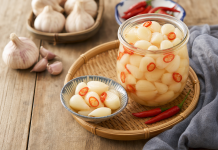
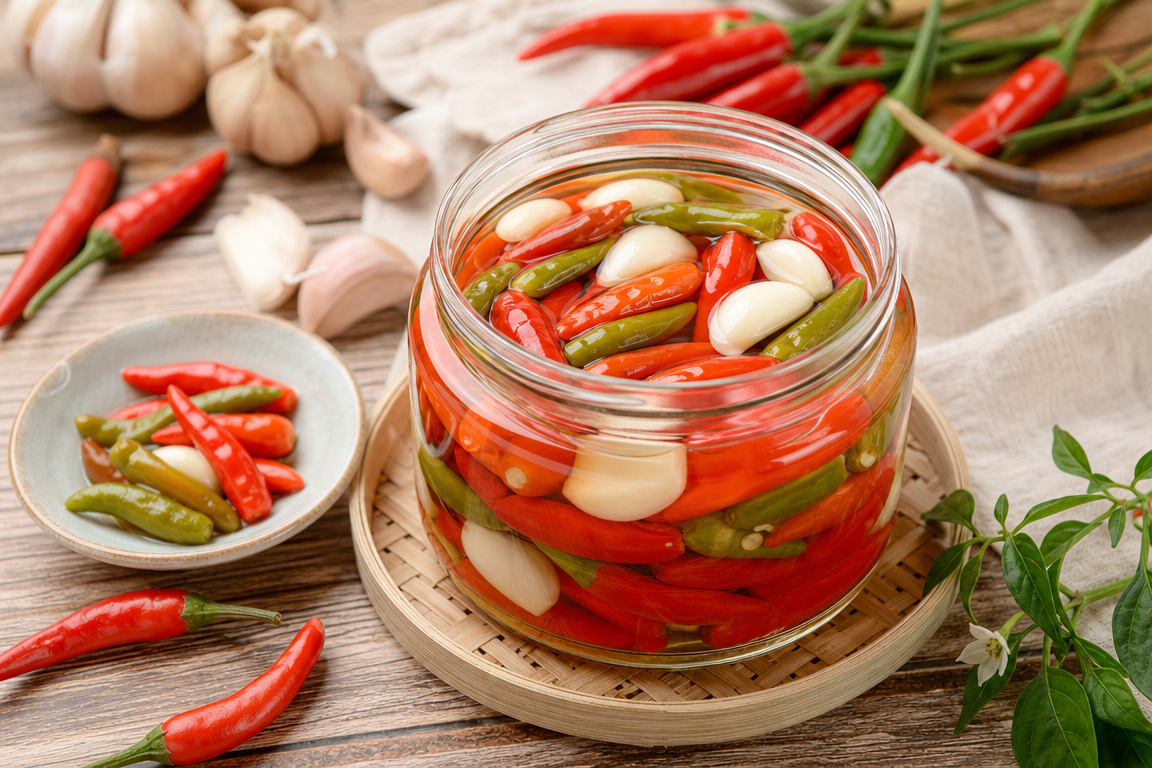
Pickled chili consists of chilies preserved or steeped in a pickling liquid. A vinegar-based version combines the peppers’ heat with acidity, while optional salt and sugar adjust the seasoning. The peppers may be sliced or left whole, depending on the preparation.
Because chili varieties differ considerably, the finished condiment can range from relatively gentle to intensely hot. Pepper color is not a reliable guide to heat. Choose chilies according to their known variety and your preferred intensity rather than assuming that red or green peppers will be milder.
How It Differs from Similar Condiments
- Fresh chili: Delivers pepper heat without the acidity of a pickle.
- Chili sauce: Usually has a more integrated liquid or puréed texture. Pickled chili retains distinct pieces of pepper.
- Chili-infused vinegar: Emphasizes the flavored liquid, although a jar of pickled peppers can provide both seasoned vinegar and chili pieces.
- Fermented chili: Relies on a different preparation process. Soaking chilies in vinegar does not make them fermented.
Flavor and Texture
The main contrast is between chili heat and vinegar’s sourness. Salt can make the seasoning feel more rounded, while a small amount of sugar can soften the perception of acidity without making the condiment overtly sweet.
Texture depends on the peppers and how they are prepared. Thin slices are easy to portion and distribute through a bite of food. Larger pieces offer a more concentrated mouthful of chili. Heat exposure and longer storage can soften the peppers, so a refrigerated preparation without cooking is a useful option when a firmer texture is preferred.
The liquid also becomes hot as it takes on flavor from the chilies. Do not assume that using only the vinegar will avoid the heat.
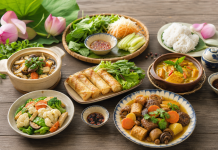
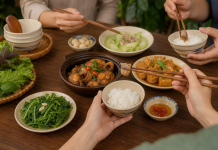
Using Pickled Chili with Vietnamese Meals
Think of ớt ngâm as an adjustable table condiment rather than something that must season an entire dish. Serving it separately lets each person control how much heat and acidity to add.
- With noodle soups: Add a few chili slices to an individual bowl. Taste before adding the pickling liquid, since extra vinegar changes the broth’s balance.
- Alongside rice dishes: Use a small portion as a sharp contrast to savory components.
- In dipping sauces: Stir in chopped pickled chili when both heat and sourness are welcome. Reduce other acidic ingredients as needed.
- With rolls or sandwiches: Drain the slices before adding them so the filling does not become unnecessarily wet.
These are serving suggestions, not rules for every Vietnamese dish. If a meal already includes a sour sauce or dressing, the chili pieces alone may provide enough contrast.
A Simple Refrigerated Pickled Chili Recipe
This proposed recipe is for a small refrigerator pickle. It is not a shelf-stable canning recipe and should not be stored at room temperature.
Ingredients
- About 1 cup fresh chilies, sliced
- About 1 cup food-grade vinegar labeled 5% acidity, or enough to cover the chilies
- 1 teaspoon sugar, optional
- 1/2 teaspoon salt, optional
Method
- Wash your hands, a small food-safe jar, its lid, and your utensils thoroughly. Rinse the chilies under running water and drain them.
- Remove the stems and slice the chilies into rings. Wear food-safe gloves when handling hot peppers, and avoid touching your eyes or face.
- Stir the optional salt and sugar into the vinegar until dissolved.
- Place the chilies in the jar without packing them tightly. Pour in enough vinegar to cover them completely. Use a smaller jar if necessary.
- Close the jar and refrigerate promptly. Allow the chilies to steep before serving; their flavor will change as they sit in the vinegar.
Storage and Handling
Keep the jar refrigerated at 40°F or below. Use a clean utensil each time, keep the chilies covered by the pickling liquid, and do not return served portions to the jar. Make small batches rather than assuming an indefinite storage life.
Discard the contents if mold, unexpected bubbling, a swollen lid, or an unusual odor develops. The absence of visible spoilage does not establish safety. For long-term preservation or pantry storage, use a tested preservation recipe rather than adapting this refrigerator method.
Useful Substitutes
Fresh sliced chili with a little vinegar can supply similar heat and acidity when a prepared pickle is unavailable, though the flavor will be less integrated. Another vinegar-pickled hot pepper can also work; check for added sweetness, spices, and differences in heat.
Chili sauce is a less direct substitute because it changes texture and may add other seasonings. If only heat is needed, fresh chili may be sufficient. If only acidity is missing, a small amount of vinegar avoids adding unnecessary heat.
Frequently Asked Questions
Does pickling make chilies mild?
Not reliably. Heat can move into the liquid, but both the peppers and the vinegar may remain very hot. Begin with small portions.
Should the seeds be removed?
Removing seeds can improve texture, but it does not reliably control heat. Much of a pepper’s heat is associated with its inner pale tissue. Choosing a milder pepper is more dependable.
Can the leftover liquid be reused?
Do not use old pickling liquid to preserve a fresh batch. Start with fresh vinegar and a clean jar. Liquid from a properly handled refrigerated batch can be used as a seasoning while that batch remains suitable to eat.