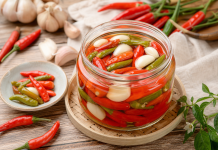

Pickled garlic brings a sharp, tangy bite to the table. Known in Vietnamese as tỏi ngâm giấm, it is garlic preserved in a vinegar-based liquid and served as a condiment rather than as the main part of a dish. A small amount can add contrast to a bowl of noodles, a rice meal, or a rich, savory broth.
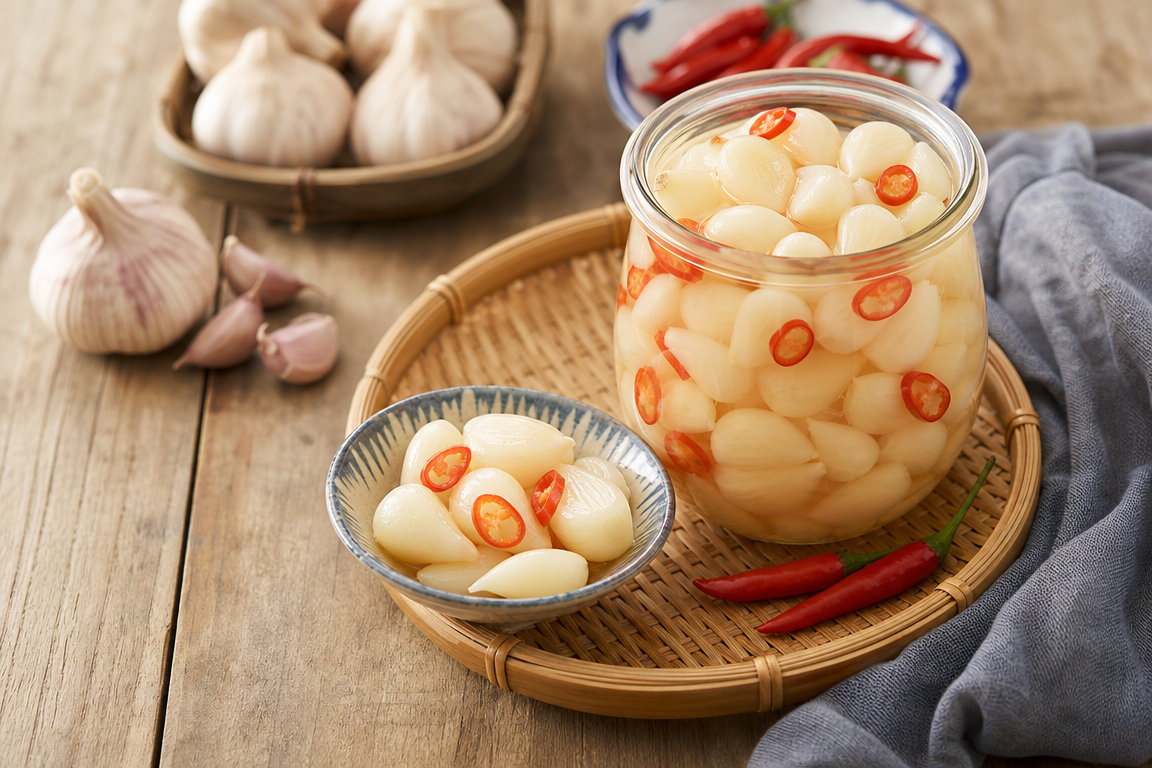
The key distinction is the vinegar: this is not simply raw garlic, garlic stored in oil, or a thick garlic sauce. The cloves or slices remain recognizable, while the surrounding liquid contributes acidity. How assertive the finished condiment tastes depends on the garlic, its cut, the vinegar, and any optional seasonings.
What Is Tỏi Ngâm Giấm?
Tỏi means garlic, and ngâm giấm describes soaking in vinegar. The name identifies the central preparation without prescribing a single ratio, sweetness level, or set of additional ingredients. For an English-language menu or recipe, “vinegar-pickled garlic” is a useful way to distinguish it from other garlic condiments.
It belongs in the sauces and condiments category, even though it need not be a sauce in texture. The garlic provides something to bite into, while a little of the liquid can supply a separate sour note.
Flavor and Texture
Expect garlic pungency alongside vinegar’s clean sourness. Pickling can soften the impression of raw garlic, but it does not necessarily make the cloves mild. Whole cloves may retain a stronger center, while thin slices expose more surface area to the liquid and distribute more easily through a serving.
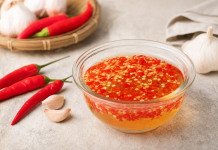
Salt can round out the seasoning, and a little sugar can balance the perception of sharpness without turning the condiment into a sweet pickle. Chilies are an optional addition for heat, not a requirement for identifying the preparation. The vinegar itself also matters: different vinegars contribute different aromas, so the finished flavor is not determined by garlic alone.
Ways to Use It with Vietnamese Food
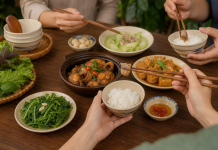
Think of pickled garlic as an adjustable table seasoning. These are practical serving suggestions rather than rules about how every Vietnamese dish should be eaten.
- With noodle soup: Add a few garlic slices to an individual bowl, then taste before adding any pickling liquid. Too much vinegar can overwhelm a delicately balanced broth.
- Alongside rice dishes: Serve a small portion separately so its sourness can contrast with savory meat, tofu, or vegetables.
- With grilled or fried foods: Use it as a sharp accompaniment rather than mixing a large quantity through the entire dish.
- In a dipping mixture: Finely chop a little pickled garlic and add it to a sauce that would benefit from both garlic and acidity. Adjust the other sour ingredients accordingly.
Drain the pieces when you want garlic flavor with less added liquid. Include a little vinegar when the dish also needs acidity. Keeping these two elements separate makes seasoning easier to control.
A Proposed Small-Batch Refrigerator Preparation
The following is a suggested home preparation, not a historically authoritative formula or a tested canning recipe. It is intended only as a refrigerated condiment.
Ingredients
- About 100 grams peeled garlic, with any damaged cloves discarded
- About 1 cup commercial food-grade vinegar labeled 5% acidity, plus more if needed to cover
- 1 teaspoon salt, or less to taste
- 1–2 teaspoons sugar, optional
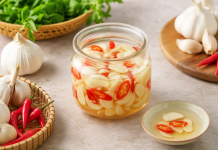
- A few slices of fresh chili, optional
Method
- Wash your hands and clean the work surface, utensils, and a food-safe jar with a lid.
- Rinse the peeled garlic and drain well. Leave the cloves whole or slice them evenly; slices are easier to portion at the table.
- Stir the salt and optional sugar into the vinegar until dissolved.
- Place the garlic and optional chili in the jar. Add enough vinegar mixture to cover the solids completely. Do not dilute this proposed preparation with water.
- Cover and refrigerate immediately. Allow the garlic to take on the vinegar flavor under refrigeration, tasting a small portion with a clean utensil to judge its character.
Storage and Handling
Keep the jar refrigerated at 40°F (4°C) or below, including while the garlic is pickling. Use clean utensils, keep the garlic covered by the liquid, and return the jar promptly to the refrigerator after serving.
This preparation has no established shelf life and should not be treated as shelf-stable simply because it contains vinegar. Make a small quantity for short-term use. For a defined storage period or any room-temperature preservation, use a tested food-preservation recipe instead. Discard the contents if there is mold, unexpected gas buildup, or another sign of spoilage; appearance and smell alone cannot establish safety.
Substitutes and Similar Condiments
There is no exact substitute for both the garlic bite and vinegar tang. For an individual serving, a little fresh garlic plus a separate splash of vinegar can supply similar components, though the texture and intensity will differ. Pickled onion or shallot can provide acidity and crunch when garlic is unavailable, but will change the flavor.
Chili-garlic sauce is not interchangeable spoon for spoon: it adds heat and a different texture. Black garlic is also distinct, with a softer texture and a sweeter, deeper flavor. Garlic stored in oil is a separate preparation with different safety considerations, not another name for tỏi ngâm giấm.
Frequently Asked Questions
Is pickled garlic always spicy?
No. Garlic itself can taste pungent, but chili heat depends on whether chilies are added. A garlic-and-vinegar version does not require them.
Can the pickling liquid be used as seasoning?
Yes, a little can contribute vinegar tang and garlic flavor. Add it gradually to an individual portion so it does not overwhelm the dish. Do not reuse the old liquid to preserve a fresh batch.
Are whole cloves or slices better?
Whole cloves offer a substantial bite; slices are easier to distribute and portion. The choice is mainly about the texture and intensity you want at the table.