
Pork lard is rendered pork fat: fat that has been gently heated until it separates from the solid tissue, then strained. In Vietnamese, mỡ heo refers to pork fat; in a recipe or ingredient list, the surrounding instructions help clarify whether that means raw fat, rendered lard, or pieces of fat left in a dish.
As a cooking ingredient, lard supplies richness, helps transfer heat, and carries the flavors of ingredients cooked in it. Understanding its texture, flavor, and relationship to raw pork fat makes it easier to choose and use appropriately.
What Is Pork Lard?
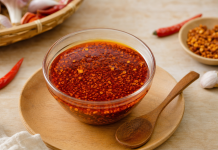
Lard is the separated fat obtained by rendering pork fat. It is not the same as cooking oil, butter, or the liquid juices released by meat. When warm, it is liquid; when cool, it generally becomes opaque and soft to firm, depending on its composition and temperature.
Mỡ heo, raw pork fat, and cracklings
These related ingredients serve different purposes:
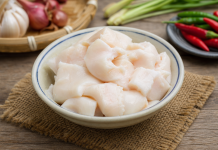
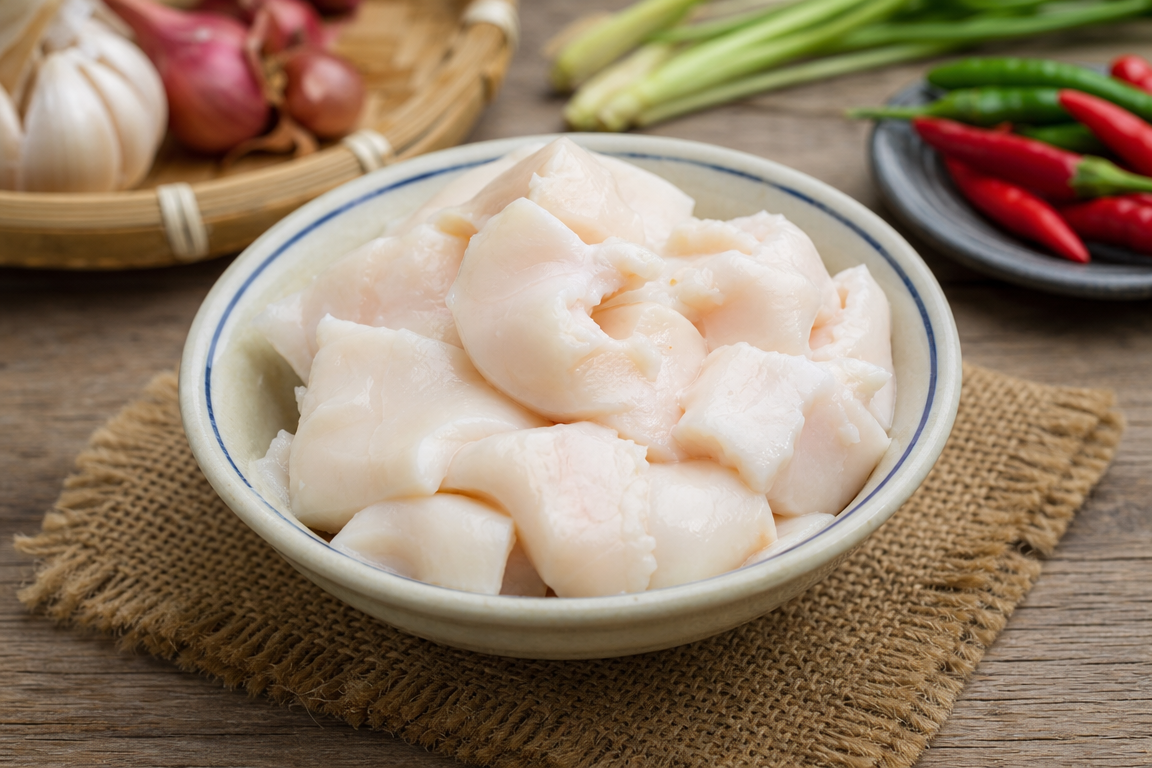
- Raw pork fat: Unrendered fatty tissue. It needs cooking before it becomes usable rendered fat.
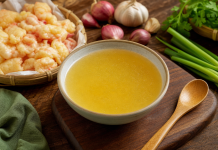
- Rendered lard: The strained fat collected after heating. This is the form used as a cooking medium.
- Cracklings: The solid pieces left after rendering. They can become crisp as moisture cooks away, but they are not the same ingredient as the liquid fat.
Rendered lard should also be distinguished from meat drippings. Drippings may contain water, meat juices, browned particles, salt, and seasonings. Those additions change both their cooking behavior and their storage needs.
Flavor and Cooking Characteristics
Lard can have a mild flavor or a more noticeable pork aroma. The starting fat, any attached meat, and the amount of browning during rendering all affect the result. Gently rendered fat tends to taste less roasted than fat collected after substantial browning.
Its main contribution is often texture rather than a strong standalone flavor. A small amount can coat rice, noodles, or vegetables with a rich sheen. Too much can make a dish feel greasy, especially once the food cools and the fat begins to firm.
Lard is a cooking fat, not a seasoning sauce. It does not provide the saltiness or acidity needed to balance a dish, so those elements must come from other ingredients.
Using Pork Lard in Vietnamese Cooking
When preparing Vietnamese food, rendered lard can be considered wherever a recipe calls for a suitable cooking fat. It should not automatically replace every oil: the dish’s intended flavor, serving temperature, and texture matter.
Cooking aromatics and stir-frying
A small spoonful can be used to cook chopped shallots, garlic, or other aromatics before adding the remaining ingredients. Heat it until melted, then control the temperature carefully so the aromatics do not burn. For a stir-fry, use enough to lightly coat the cooking surface rather than leaving a deep pool.
Coating rice, noodles, and vegetables
Lard can add richness when tossed through hot rice, noodles, or cooked vegetables. Start with a small amount and assess the texture before adding more. It is better suited to food served warm than to a chilled preparation where solidified fat could feel waxy.
Using the fat and solids separately
If rendering fat at home, keep the strained lard separate from the cooked solids. The lard can serve as a cooking medium, while sufficiently cooked, crisp solids can provide a contrasting texture. Leaving solids in the stored fat makes it harder to keep the fat clean and free of residual moisture.
A Proposed Small-Batch Rendering Method
The following is a practical home-kitchen approach, not a historically authentic or personally tested formula. Yield and cooking time will vary with the fat and the amount of attached tissue.
Ingredients and equipment
- 1 pound raw pork fat, cut into small, evenly sized pieces
- 2 tablespoons water
- A heavy saucepan, fine-mesh strainer, heat-safe bowl, and clean storage container
Method
- Keep the pork fat refrigerated until ready to prepare it. Trim away substantial pieces of lean meat, then cut the fat into small pieces.
- Place the fat and water in the saucepan. The small amount of water helps limit early scorching while the fat begins to melt.
- Cook over low heat, stirring occasionally. Allow the water to evaporate and the fat to render gradually. Do not let the fat smoke.
- Continue until the pieces have noticeably shrunk and released their fat. Stop before the solids become deeply browned if a milder flavor is the goal.
- Carefully strain into a heat-safe bowl. Hot fat can cause serious burns; keep water away from the rendered fat and avoid splashing.
- Transfer to a clean, dry, heat-safe storage container and refrigerate promptly after brief cooling. Do not leave it on the counter for extended cooling.
Storage and Handling
Keep homemade lard covered in the refrigerator, or freeze it in small portions for longer storage. Use a clean, dry utensil each time, and keep water, food scraps, and raw ingredients out of the container. Do not assume homemade lard is shelf-stable.
For packaged lard, follow the manufacturer’s storage directions and date guidance. Homemade storage life varies with rendering, moisture, cleanliness, and temperature, so one universal shelf-life estimate is not appropriate. Discard fat with mold or an off odor, but remember that normal appearance and smell do not guarantee safety after improper handling.
Suitable Substitutes
A neutral cooking oil is a practical substitute for sautéing or stir-frying when pork flavor is unnecessary. Because oil stays liquid when cool, it will not provide exactly the same texture. Butter adds its own flavor and contains water and milk solids, so it is not a direct replacement in every application. For vegetarian cooking, choose a plant-based fat and check the other ingredients as well.
Frequently Asked Questions
Does mỡ heo always mean rendered lard?
No. It refers to pork fat more broadly. Check whether the recipe asks you to cut and render it or simply measure it into a pan.
Is lard the same as bacon grease?
No. Bacon grease comes from cooking bacon and can carry salt, smoke, and cured-meat flavors. Substituting it may noticeably change a dish.
Can lard replace oil in equal amounts?
For a small amount used to cook aromatics or coat a pan, an equal volume is a reasonable starting point. Recipes that depend on a particular fat texture need more careful adjustment.