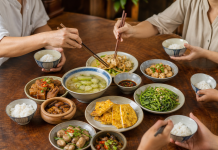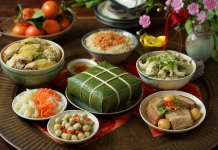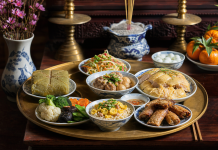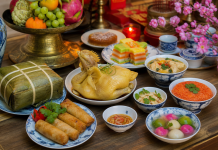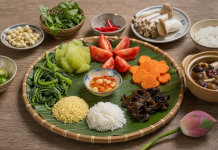
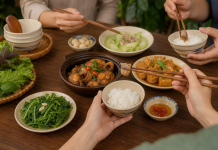
Understanding Vietnamese food customs and taboos starts with a practical distinction: what a host prefers, what a household expects, and what someone considers forbidden are not necessarily the same thing. A useful approach is to pay attention to the particular meal rather than arrive with a rigid list of rules.
The Vietnamese topic name, Kiêng kỵ và tập tục trong ăn uống Việt Nam, brings together food-related avoidances and customs. This guide focuses on navigating those subjects respectfully without treating an individual preference as a rule for everyone. When the meaning of a gesture or restriction is unclear, a brief, considerate question is more useful than a confident guess.
Customs, Taboos, and Preferences Are Different
Before interpreting something at a Vietnamese meal, consider what kind of expectation you are encountering. These distinctions help prevent an ordinary serving preference from becoming an exaggerated cultural claim.
- A custom is a familiar way of doing something, such as following a household’s preferred order for serving a meal.
- An etiquette expectation concerns considerate behavior toward the people eating with you.
- A taboo involves something a person or group regards as prohibited or inappropriate, potentially with significance beyond table manners.
- A personal restriction may concern ingredients, beliefs, dietary choices, or another private consideration.
These categories can overlap, but they should not be treated as interchangeable. If someone avoids a food, that alone does not establish why they avoid it. Likewise, a host’s correction about how to use a serving utensil does not necessarily indicate a religious or symbolic prohibition.
Read the Setting Before Applying a Rule
At a home meal
Let the host establish the immediate routine. Before taking food, notice whether the meal is ready, whether everyone has a place, and whether someone is still arranging dishes. A simple “Shall we start?” avoids making assumptions about who should begin.
If the host explains a household practice, follow it when you reasonably can. There is no need to decide whether it represents all Vietnamese households. For that meal, understanding the host’s request is enough.
At a restaurant meal
Separate restaurant logistics from cultural expectations. A question about whether dishes are intended for sharing is a question about the order in front of you, not proof of a universal dining rule. Clarify portioning and serving arrangements before dividing food among the table.
When dining with others, ask whether they prefer to order together or separately. This is especially helpful when people have different ingredient restrictions or want different amounts of food.
At a meal with a stated ceremonial purpose
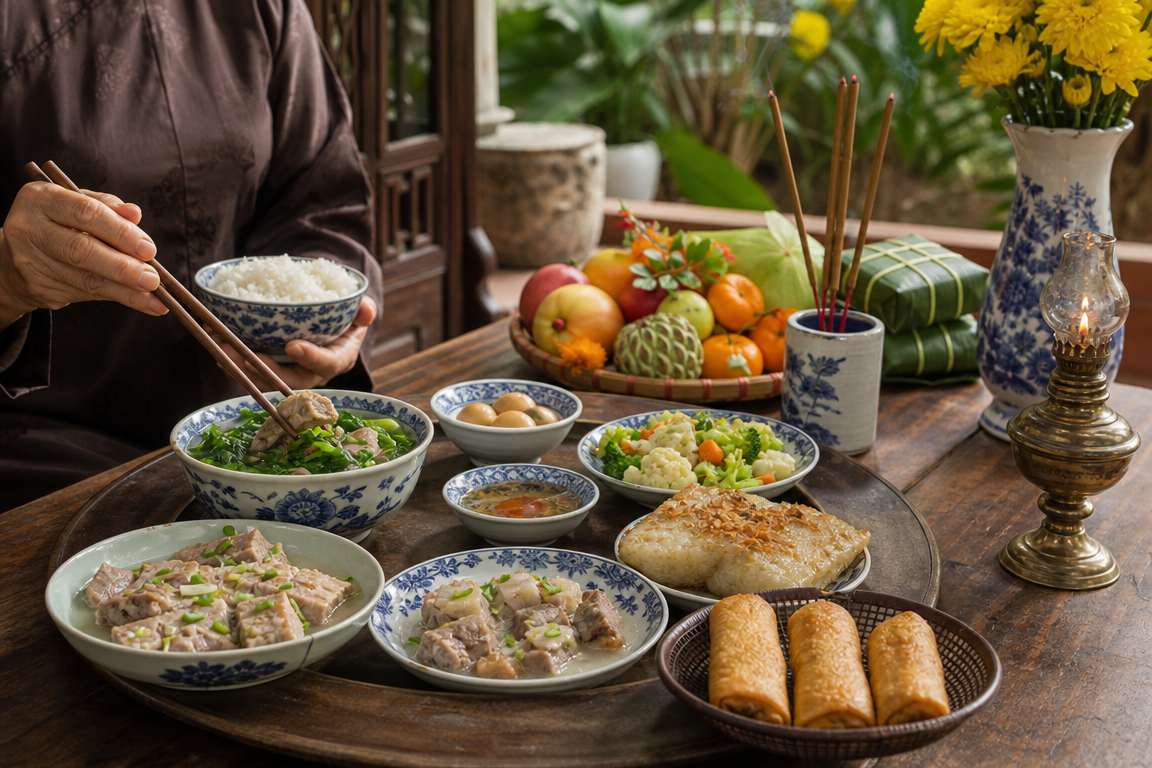
If a host identifies a meal or part of a food arrangement as ceremonial, ask before moving, serving, or tasting anything whose purpose is unclear. Do not infer a specific belief from the appearance of a dish or the way it is displayed.
A quiet question such as “Is this ready to be served, or should I leave it here?” respects the setting without requiring the host to give a lengthy explanation.
Sharing Food Without Guessing
When dishes are shared, the most useful questions concern access, utensils, and portions. Check whether a dish has a serving spoon or another utensil intended for everyone. If the arrangement is unclear, ask which utensil to use rather than assuming that your own is appropriate.
Take an amount you expect to eat, especially on the first pass. This leaves room for others to try the dish and gives you a chance to understand how the meal is being served. If food is being portioned by one person, allow that person to finish before reaching across.
These are practical ways to reduce confusion, not claims that every Vietnamese table follows one serving system. The actual arrangement in front of you should guide your behavior.
Condiments and individual tastes
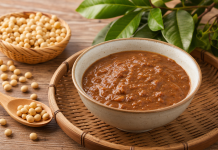
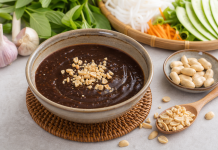
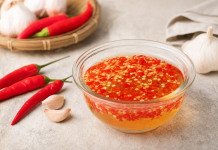
Before adding a condiment to a shared dish, check with the people eating it. Adjusting your own portion is different from changing everyone’s food. If you are unsure whether a sauce is meant for dipping, mixing, or serving alongside a dish, ask how the host intends it to be used.
This keeps the question focused on the food rather than turning it into a judgment about a supposedly correct or incorrect way to eat.
Utensils: Ask About Handling, Not Just Symbolism
Utensil advice can become misleading when a specific placement or gesture is assigned a universal meaning without context. Do not assume that every instruction about chopsticks, spoons, or bowls carries the same significance in every Vietnamese setting.
If you need to put a utensil down, look for the place provided or ask where it should rest. Avoid using eating utensils to point at people, move unrelated objects, or reach into another person’s food. These choices help keep the meal comfortable without requiring an unsupported explanation about symbolism.
If a host asks you not to position or handle an utensil in a particular way, adjust it. If you want to understand the reason, ask neutrally: “Is that a preference for this table, or does it have another meaning?” Accept a brief answer without pressing for a cultural lesson.
Food Restrictions and Polite Refusals
Explain your own limits clearly
If you cannot eat an ingredient, mention that before food is ordered or served whenever possible. Distinguish a firm restriction from a dislike so that others understand what you need. You do not have to describe a private medical or personal matter in detail.
Useful wording includes “I cannot eat this ingredient” or “I would prefer a small portion, thank you.” Clear language is better than accepting food you cannot eat because you are worried about appearing impolite.
Do not assign motives to someone else
If another diner declines a dish, allow that decision to stand. Do not label the refusal a Vietnamese taboo, a spiritual practice, or a health belief unless the person has chosen to explain it that way.
The same caution applies to foods avoided on a particular occasion. A single refusal does not establish an ongoing restriction, and an individual explanation should not be expanded into a claim about an entire community.
Respond to an offer without judging the food
A polite refusal can be short: “Thank you, but I’ll pass on this one.” If you are full, say so appreciatively. There is no need to describe an unfamiliar ingredient as strange or challenge another person’s willingness to eat it.
If you are simply uncertain about a dish, asking what it contains is reasonable. Keep curiosity separate from pressure: nobody needs to taste something to demonstrate respect.
How to Evaluate Claims About Vietnamese Food Taboos
Be cautious with advice that begins “Vietnamese people always” or “You must never” without identifying a setting or explaining whose practice is being described. A useful account should distinguish an individual experience from a broader claim.
Before repeating a supposed rule, consider three questions:
- Who follows it? Is the statement about one person, one household, or a clearly identified group?
- When does it apply? Is it relevant to an ordinary meal, a particular occasion, or a specific food arrangement?
- How is its meaning known? Did someone explain the practice, or is an observer guessing?
Without that context, it is better to describe only what happened. “The host asked us to wait before serving” is more precise than inventing a national rule about when people may eat.
Frequently Asked Questions
Is there one set of Vietnamese food customs every guest should memorize?
A fixed checklist is not a substitute for understanding the meal you are attending. Focus on the host’s instructions, the serving arrangement, and other diners’ boundaries. Ask when an expectation is unclear.
Is declining food automatically disrespectful?
Do not treat every refusal as an insult. Explain your own limits politely, thank the person offering, and avoid criticizing the food. If you are concerned about a particular host’s expectations, clarify them rather than guessing.
Should I copy everything other diners do?
Observation helps, but it does not reveal every reason behind an action. Another diner may have a personal preference or restriction. Copy straightforward serving arrangements when appropriate, and ask about anything that remains confusing.
What should I do if I make a mistake?
Acknowledge the correction, adjust what you are doing, and continue the meal. A brief apology is usually more constructive than a lengthy defense or a debate about whether the practice is universal.
The most useful approach to Vietnamese food customs and taboos is careful attention without overinterpretation. Respect the people at the table, distinguish requests from assumptions, and leave room for an explanation that belongs to that particular meal.