
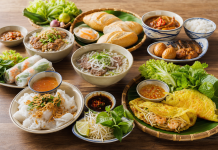
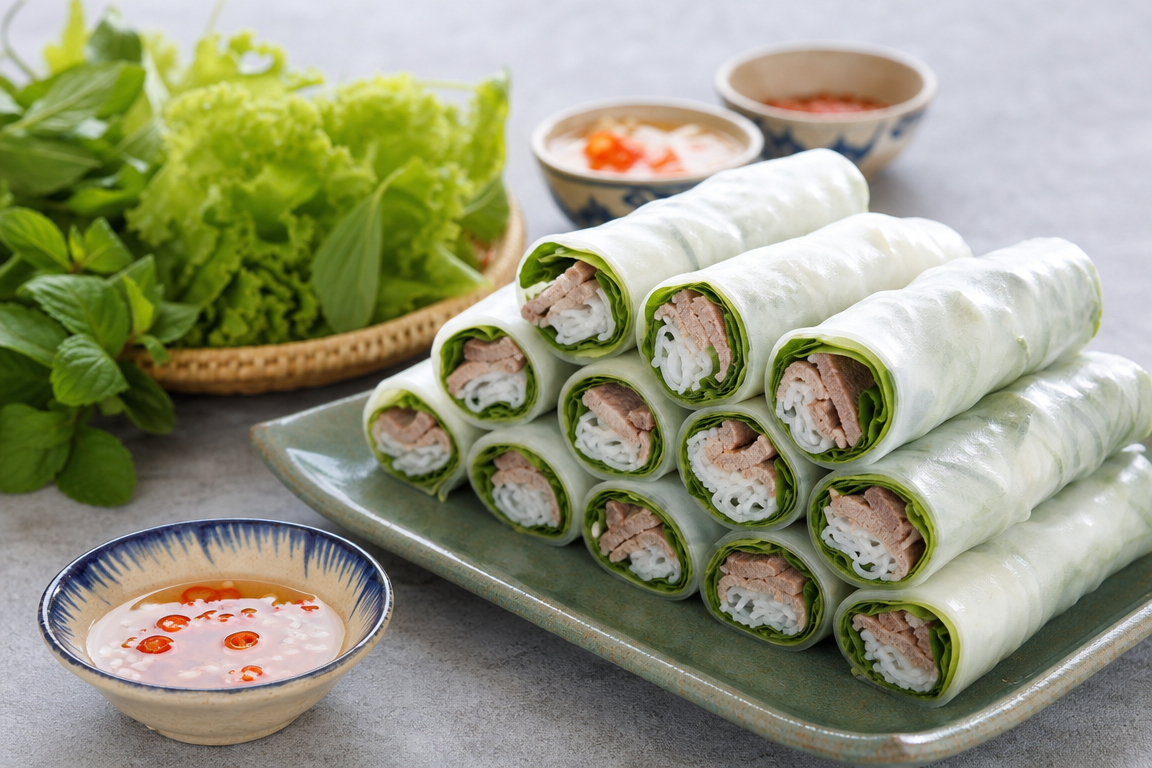
Phở cuốn, or pho rolls, puts soft noodle sheets at the center of a fresh, handheld dish. For this proposed home recipe, broad rice noodle sheets wrap around quickly cooked beef, lettuce, cucumber, and herbs. A lime-and-fish-sauce dip adds a salty, sweet, tangy contrast without making the filling wet.
This recipe offers a practical way to prepare the street-food topic at home, rather than a claim to a historically authentic formula. The goal is a tender wrapper, a modest amount of filling, and a roll that holds together when lifted. Start with ready-to-eat noodle sheets, keep the vegetables dry, and let the beef cool slightly before assembling.
Recipe Overview
- Yield: 12 rolls, about 4 servings
- Preparation time: 30 minutes
- Cooking time: 10 minutes
- Total time: 40 minutes
These estimates assume the noodle sheets are ready to use and do not require additional cooking. Check their package directions before beginning.
Ingredients
For the Rolls
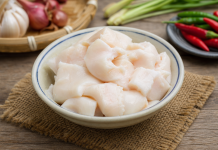
- 12 ready-to-eat broad rice noodle sheets, approximately 6 by 7 inches each
- 12 ounces beef sirloin, thinly sliced across the grain
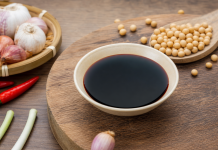
- 1 tablespoon soy sauce
- 1 tablespoon neutral cooking oil, divided
- 2 garlic cloves, finely minced
- 1/4 teaspoon ground black pepper
- 6 large lettuce leaves, washed, thoroughly dried, and halved, with thick ribs trimmed
- 1 medium cucumber, seeded if watery and cut into thin strips
- 1 cup loosely packed mint leaves, washed and dried
- 1 cup loosely packed cilantro leaves and tender stems, washed and dried
For the Dipping Sauce
- 3 tablespoons fish sauce
- 3 tablespoons fresh lime juice
- 3 tablespoons granulated sugar
- 6 tablespoons warm water
- 1 garlic clove, finely minced
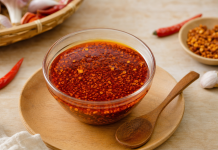
- 1 small fresh chile, thinly sliced, optional
Wrapper note: Use broad noodle sheets rather than narrow noodle strands. Dried rice paper is a different wrapper and will produce a different texture. If the noodle sheets require cooking or warming, follow their package directions and let them cool enough to handle before rolling.
How to Make Pho Rolls
- Prepare the vegetables and wrappers. Dry the lettuce and herbs thoroughly, then cut the cucumber into slender strips. Carefully separate the noodle sheets according to their package directions. Keep them covered while preparing the filling so their exposed edges do not dry out.
- Mix the dipping sauce. Stir the sugar into the warm water until dissolved. Add the fish sauce, lime juice, minced garlic, and optional chile. Taste with a small piece of plain noodle sheet, using a clean utensil. Add a little more water if the sauce tastes too concentrated.
- Season the beef. Toss the sliced beef with the soy sauce, 1 teaspoon of the oil, the minced garlic, and black pepper. Separate any slices that stick together so they can cook evenly. Keep the raw beef and its utensils away from the prepared vegetables.
- Cook in batches. Heat the remaining 2 teaspoons of oil in a large skillet over medium-high heat. Add half the beef in a loose layer and stir-fry until cooked through, approximately 2–3 minutes depending on thickness and heat. Transfer to a clean plate and repeat with the remaining beef, lowering the heat if the garlic begins to burn.
- Cool and drain the filling. Let the beef stand for about 5 minutes, until it is no longer steaming heavily. Leave excess cooking liquid on the plate rather than adding it to the rolls. Arrange the beef, lettuce, cucumber, mint, and cilantro within easy reach.
- Fill the first sheet. Lay one noodle sheet flat on a clean work surface. Place half a lettuce leaf across the lower third, leaving space at both sides. Add about one-twelfth of the beef, a few cucumber strips, and a small pinch each of mint and cilantro. Keep the filling in a narrow, even line.
- Roll gently. Lift the edge nearest you over the filling, tuck it snugly underneath, and roll forward without stretching the noodle sheet. Fold in the sides if the wrapper is large enough; otherwise, keep the ends open and the filling centered. Place seam-side down and repeat with the remaining ingredients.
- Serve promptly. Arrange the rolls in a single layer, with a little space between them to reduce sticking. Serve the dipping sauce separately. Leave the rolls whole or cut them in half with a sharp knife, wiping the blade between cuts.
Tips for Soft, Neat Rolls
- Start with less filling. An overfilled roll is harder to close and more likely to tear. Use the first roll to judge how much your particular sheets can hold.
- Avoid excess moisture. Wet lettuce, watery cucumber, and beef cooking juices can make the wrapper slippery. Dry vegetables well and lift the beef away from its juices.
- Do not pull the wrapper tight. Guide it around the filling with light pressure. If a sheet tears, use it for tasting the sauce and choose an intact sheet for rolling.
- Adjust to sheet size. Noodle sheets may vary in dimensions and thickness. Smaller sheets need less filling and may produce more rolls; larger sheets may need trimming.
- Keep sauce outside. Dipping at the table gives better control over seasoning and keeps liquid from pooling inside the rolls.
Serving Suggestions
Serve pho rolls as a light meal or a shared appetizer, with individual dipping bowls for convenience. Extra lettuce, cucumber, and herbs can go alongside. For a larger meal, pair the rolls with a simple vegetable dish or a small bowl of broth, keeping the dipping sauce separate.
The wrappers are easiest to handle when freshly assembled. If preparing components ahead, refrigerate the cooked beef, washed vegetables, and sauce in separate covered containers, following applicable food-safety guidance. Assemble closer to serving rather than storing everything together.
Suitable Variations
- Tofu filling: Replace the beef with 12 ounces of firm tofu, well drained and cut into thin strips. Cook gently with the oil, garlic, soy sauce, and pepper until heated through and lightly browned.
- Fully plant-based version: Use the tofu filling and replace the fish sauce with a plant-based fish-sauce alternative. Begin with a smaller amount and adjust, since saltiness varies.
- Different herbs: Use more mint or more cilantro according to preference, keeping the total quantity similar so the filling remains manageable.
- Milder sauce: Omit the chile and add a little extra water if needed. Keep additional sliced chile on the side for anyone who wants it.
Frequently Asked Questions
Can I use dried rice paper instead of noodle sheets?
You can adapt the filling for rice paper, preparing the wrappers according to their package instructions. The result will have a different texture from this noodle-sheet recipe, so it is best treated as a substitution rather than an identical version.
Why are my noodle sheets tearing?
They may be dry, stuck together, or carrying too much filling. Separate them gently, follow any package guidance for warming, and try a smaller amount of filling. Avoid stretching the sheet as you roll.
Can I make the rolls ahead?
Preparing the components ahead is more practical than assembling the rolls far in advance. Finished rolls can stick together or change texture during storage. Keep ingredients refrigerated separately and roll near serving time.
Is this recipe gluten-free?
Not necessarily. Check the noodle sheets, soy sauce, fish sauce, and any substitutes for gluten-containing ingredients. Use products specifically labeled gluten-free if that is required.