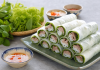


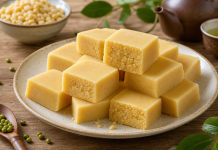
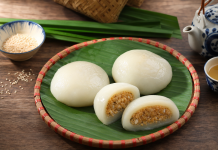
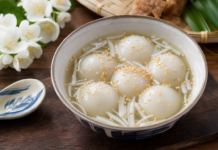
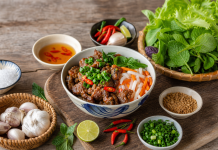
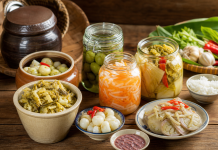
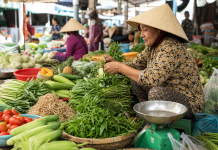
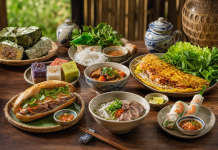

Food culture includes more than finished dishes. It also involves choosing ingredients, deciding what to cook, working within a budget, and finding time to prepare a meal. Vietnamese food markets offer a way to consider these everyday connections between food and daily life.
The Vietnamese topic name, Chợ thực phẩm và đời sống Việt Nam, brings food markets and everyday life into the same frame. That is a useful starting point: rather than treating a market simply as a place to photograph or eat, consider how it serves people buying ingredients and making practical decisions about meals. The details depend on the individual market, so no single visit should stand for all of Vietnam.
Food Markets as Part of Everyday Life
A market connects the ingredients available for purchase with the meals people intend to make. A shopper might arrive with a clear list, choose among alternatives, or change plans after seeing what is available. Those small decisions make food shopping part of cooking, not merely a step before it.
Household needs provide another useful lens. The amount someone buys can relate to the number of people eating, the time available for preparation, storage space, and other food already at home. A small purchase does not necessarily mean a small appetite, just as a large purchase does not reveal the occasion behind it.
For a visitor, this shifts attention away from spectacle. An unfamiliar ingredient can be interesting, but so can the ordinary work of comparing options, asking a question, or carrying purchases home. Daily food culture is built from these practical activities as well as from recognizable dishes.
Reading Ingredients in the Context of a Meal
Ingredients become easier to understand when considered in relation to a possible meal. Instead of trying to identify everything at once, it helps to notice broad categories and the different tasks they might serve. The categories below are a way to organize observation, not a promise about what every Vietnamese market sells.
Vegetables, Greens, and Herbs
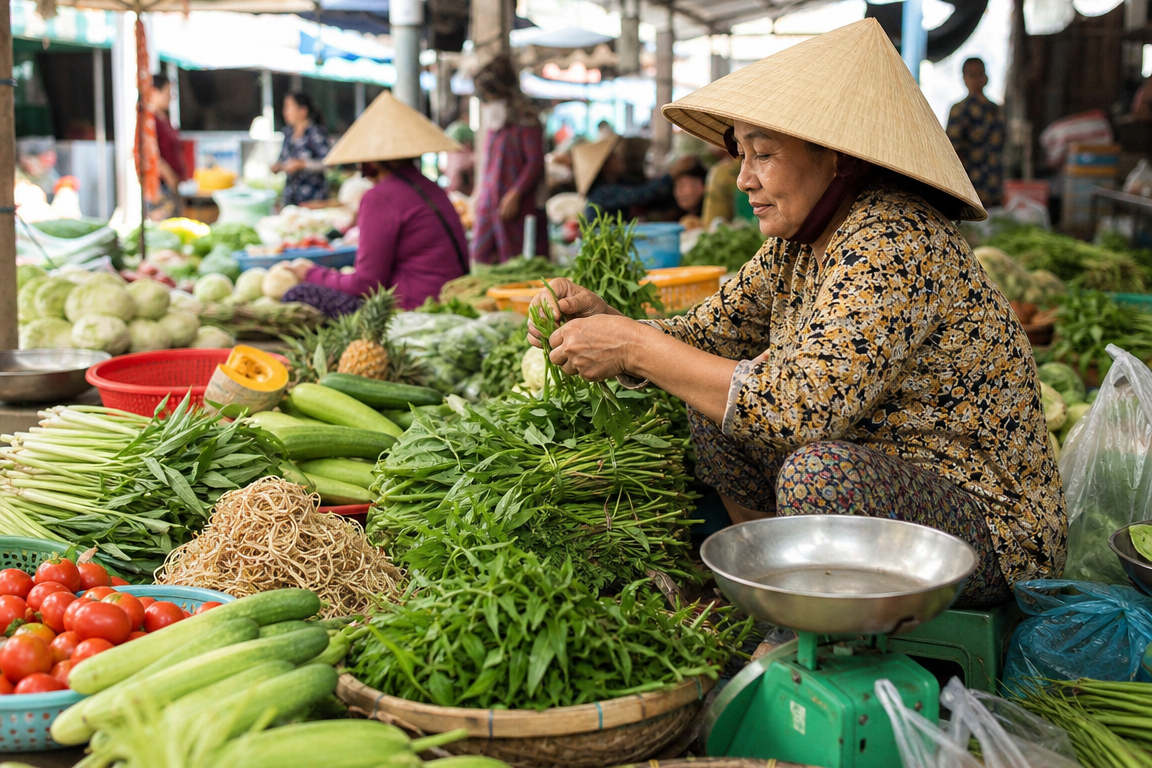
Where vegetables, leafy greens, or herbs are offered, consider how preparation changes their role. An ingredient might be cooked, added near the end of cooking, or served separately, depending on the dish. Its presence at a stall alone does not establish how a household will use it.
Names and uses are worth distinguishing. Learning what a leaf is called does not necessarily explain whether it belongs in a particular soup, filling, or accompaniment. A specific question about preparation is more useful than assuming that similar-looking greens are interchangeable.
Rice, Noodles, and Other Meal Components
Rice and noodles provide another way to think about meal planning. When these products are available, their form and preparation requirements matter. A dry product, a fresh product, and a ready-to-eat dish should not be treated as equivalent purchases.
The same principle applies to seasonings and other packaged ingredients. Product names, labels, and vendor explanations can help clarify intended use. Appearance alone is not enough to determine flavor, ingredients, or suitability for a recipe.
Meat, Fish, and Other Perishable Foods
For perishable purchases, the question is not only what to cook but how to handle the food afterward. The journey home, storage conditions, and preparation time all belong in the decision. A visitor without refrigeration or cooking facilities has different practical needs from a shopper preparing a meal nearby.
These considerations keep the focus on food as something people must transport, store, and prepare—not simply something displayed for sale.
The Everyday Decisions Behind a Purchase
A food market can make the relationship between preference and practicality visible. Someone may prefer one ingredient but choose another because of quantity, preparation effort, or the meal already planned. Without asking, an observer cannot know the reason for a particular choice.
Price also needs context. A quoted amount is difficult to interpret without knowing the unit, weight, quantity, or product involved. Comparing two purchases based only on their total cost can be misleading. Confirming what is included is more useful than assuming that every transaction follows the same format.
It is equally important not to treat bargaining as a required cultural performance. Where the pricing arrangement is unclear, a polite question is appropriate. A market transaction does not need to become a negotiation simply because a visitor expects one.
Conversation, Knowledge, and Respectful Observation
Shopping can involve an exchange of information as well as money. Questions about a product’s name, quantity, or preparation can help a buyer make a better decision. However, an observer should not assume that every seller has time for a lengthy explanation or that every interaction reflects a long-standing relationship.
Respectful observation leaves room for people to work. Useful habits include:
- Keeping walkways and access to stalls clear.
- Asking before touching food or moving a display.
- Requesting permission before photographing a person or their stall.
- Keeping questions brief when other customers are waiting.
- Confirming the item, quantity, and total before completing a purchase.
These are practical courtesies rather than uniquely Vietnamese customs. They help keep attention on the market’s everyday function and the people using it.
Buying Ingredients and Buying Something to Eat
Ingredient shopping and eating prepared food are related, but they are not the same activity. If ready-to-eat food is available, it is useful to distinguish it from products that require washing, cooking, or further preparation. Not everything presented in a serving-sized portion is necessarily ready for immediate consumption.
A market should not automatically be described as a street-food destination. Its food offerings and facilities need to be established individually. The presence of a prepared-food seller does not establish that seating, takeaway packaging, or other services are available throughout the market.
For anyone with a food allergy or dietary restriction, clear ingredient information matters more than a dish’s appearance. Sauces, fillings, stocks, and garnishes can be difficult to identify by sight. If an ingredient question cannot be answered clearly, uncertainty should remain uncertainty rather than become an assumption.
Avoiding Broad Claims About Vietnamese Food Culture
The phrase “Vietnamese food markets” covers a broad subject. Describing a particular market’s products, layout, or atmosphere requires information about that place. A single stall cannot establish a national habit, and one shopping trip cannot reveal how every household eats.
The same care applies to regional interpretation. An unfamiliar ingredient is not, by itself, evidence of a regional specialty. Claims about where a food comes from, how long it has been sold, or whether it represents a tradition need support beyond its presence on a counter.
Useful descriptions stay close to what is actually known. They separate an ingredient’s name from its possible uses, a seller’s explanation from a broader cultural claim, and an individual purchase from a household routine. This approach makes food writing more precise without making everyday details less interesting.
Frequently Asked Questions
What can a food market reveal about daily life?
It can provide a setting for observing the practical work around meals: choosing products, checking quantities, making purchases, and arranging transport. The reasons behind individual choices may not be visible, so observation should not be mistaken for a complete account of someone’s routine.
Are Vietnamese food markets all alike?
One market should not be used as a template for every other market. Product selection, services, payment arrangements, and visiting conditions need to be checked for the particular place rather than assumed from a general description.
Is every food sold at a market ready to eat?
No. A food purchase may require cleaning, cooking, or other preparation. When its intended use is unclear, asking is safer than relying on appearance.
How can visitors learn without interrupting shopping?
Brief, specific questions are easier to accommodate than broad requests for a cultural explanation. Leaving space for customers, asking permission for photographs, and accepting that a seller may be busy keep the interaction considerate.
Understanding the Market Beyond the Display
The connection between Vietnamese food markets and daily life is best approached through the work of feeding people. Ingredients must be selected, purchases must fit practical needs, and food must eventually become a meal. Keeping those tasks in view offers a grounded understanding of food culture—one that values ordinary decisions without turning them into sweeping claims.